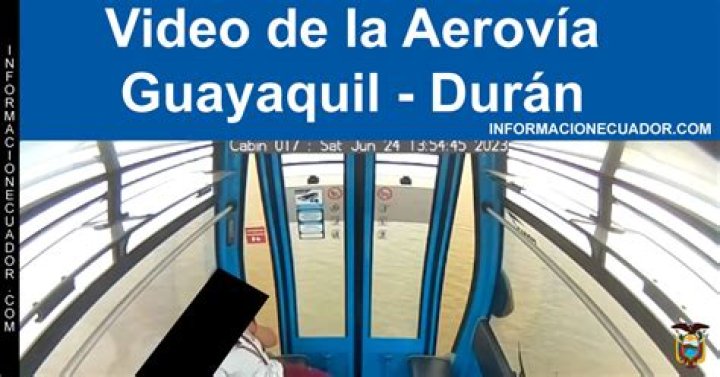
The Aerovia Guayaquil is an ambitious transportation project that aims to transform the transportation landscape of Guayaquil, a major city in Ecuador. This article delves into the significance of Aerovia Guayaquil, its infrastructure, benefits, construction process, challenges, and future potential.
The Importance of Aerovia Guayaquil
Aerovia Guayaquil holds great importance for the city and the entire region. It is set to become a vital transportation hub, facilitating seamless travel and connectivity. By providing efficient and convenient transportation options, Aerovia Guayaquil aims to enhance the quality of life for residents and contribute to economic growth.
Related posts:
Infrastructure and Features of Aerovia Guayaquil
Aerovia Guayaquil’s Location and Size
Aerovia Guayaquil is strategically located, connecting key areas within the city and linking it to important destinations. The project encompasses a network of elevated cable cars and stations, providing a unique and picturesque way to traverse the city.
Transportation Network
The transportation network of Aerovia Guayaquil is designed to integrate seamlessly with existing transportation infrastructure. It offers connections to major bus lines, metro stations, and other modes of transportation, ensuring easy access to various parts of the city.
Modern Facilities and Amenities
Aerovia Guayaquil video boasts modern facilities and amenities to ensure a comfortable and enjoyable experience for commuters. The cable cars are equipped with state-of-the-art technology, including air conditioning and panoramic windows, providing stunning views of the cityscape.
Benefits of Aerovia Guayaquil
Enhanced Connectivity and Accessibility
Aerovia Guayaquil plays a crucial role in improving connectivity and accessibility within the city. It provides a reliable and efficient mode of transportation, reducing travel time and easing congestion on roads. This enhanced connectivity brings people closer to their destinations, promoting productivity and convenience.
Boosting Economic Growth and Tourism
The project has the potential to boost economic growth by attracting investments and creating job opportunities. Aerovia Guayaquil also enhances tourism prospects by providing visitors with a unique way to explore the city and its attractions, thereby boosting the local tourism industry.
Sustainable Transportation Solution
Aerovia Guayaquil is an environmentally friendly transportation solution. The use of cable cars reduces carbon emissions and helps mitigate the environmental impact of traditional transportation modes. This sustainable approach aligns with global efforts to reduce greenhouse gas emissions and combat climate change.
Construction and Development Process
Planning and Design
The construction of Aerovia Guayaquil involved meticulous planning and design to ensure the project’s success. Extensive research and collaboration with experts in the field were conducted to create an efficient and safe transportation system.
Construction Phases
The construction of Aerovia Guayaquil is divided into several phases. Each phase involves careful execution and coordination to ensure timely completion. Skilled engineers, construction workers, and project managers work diligently to bring the vision of Aerovia Guayaquil to life.
Technological Innovations
Aerovia Guayaquil incorporates cutting-edge technological innovations to ensure a seamless and secure transportation experience. Advanced safety systems, real-time monitoring, and efficient maintenance procedures are integrated into the project, ensuring passenger safety and operational efficiency.
Challenges and Solutions
Environmental Considerations
Aerovia Guayaquil faced various environmental considerations during its planning and construction phases. To mitigate any negative impact, measures such as ecological restoration and sustainable construction practices were implemented, ensuring the preservation of natural resources and habitats.
Stakeholder Collaboration
The successful implementation of Aerovia Guayaquil required extensive collaboration with various stakeholders, including government agencies, local communities, and transportation experts. Regular consultations, open communication, and community engagement helped address concerns and ensure a project that benefits everyone involved.
Managing Traffic and Congestion
One of the primary challenges faced by Guayaquil is traffic congestion. Aerovia Guayaquil aims to alleviate this issue by providing an alternative mode of transportation. By encouraging commuters to use the cable cars, traffic congestion can be reduced, resulting in smoother traffic flow and improved overall transportation efficiency.
Future Expansion and Potential
Regional and International Connectivity
Aerovia Guayaquil has the potential for regional and international connectivity. With proper integration and collaboration with other transportation networks, it can become a key transit point for travelers, linking Guayaquil to neighboring cities and even international destinations.
Promoting Guayaquil as a Hub
Aerovia Guayaquil positions Guayaquil as a regional hub for transportation, commerce, and tourism. This elevated status can attract businesses, investments, and conferences to the city, further contributing to its economic growth and development.
Economic Opportunities and Job Creation
The construction and operation of Aerovia Guayaquil create a range of economic opportunities, from employment during the construction phase to long-term jobs in maintenance, operations, and related industries. The project stimulates economic growth and provides stability for the local workforce.
Aerovia Guayaquil is set to revolutionize transportation in the city, offering enhanced connectivity, economic benefits, and a sustainable solution for the future. By investing in such innovative projects, Guayaquil showcases its commitment to progress, sustainable development, and improved quality of life for its residents.
Post Views: 67