As moments are captured and shared real time on digital platforms such as social media platforms like TikTok, the line between public engagement and personal privacy becomes ever more unclear. A recent viral TikTok incident between Jackie La Bonita, college students Litzareli Madrigal and Alondra Poullet at an Astros game held April 19 serves as an excellent illustration. Not only did this event spark widespread dialogue; but also raised serious issues of privacy, accountability and potential dark side of internet fame.
What Happened During the Astros Game?
During the game, Jackie La Bonita was filming herself, capturing both video and pictures, when Madrigal and Poullet, seated behind her, reportedly mocked her actions. This interaction, which included laughter, photobombing, and an offensive gesture towards the camera, was edited and uploaded by La Bonita to TikTok with a plea for kindness. The video exploded in popularity, amassing over 46 million views and nearly 8 million likes, leading to a significant backlash against Madrigal and Poullet, including doxxing and threats to their safety.
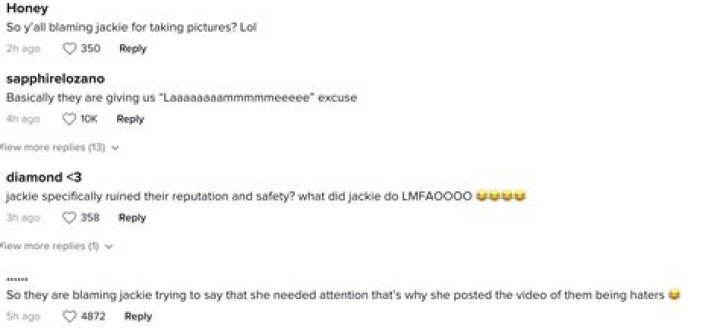
This incident highlights the complex interplay between public behavior and online sharing. Critics of La Bonita argue that filming in public without explicit consent is problematic, despite its legality. Conversely, the behavior of Madrigal and Poullet, as captured and shared online, has led to widespread condemnation and personal repercussions far beyond the initial act.
How Does Call-out Culture Affect Individuals?
Reaction to this viral video showcases both its power and shortcomings of call-out culture. While holding individuals responsible is of vital importance, internet’s response often escalates situations beyond reasonable discourse, rendering alleged aggressors victims of harassment online. Madrigal and Poullet’s subsequent video response, where they claim misunderstanding and deny malicious intent, has only fueled further debate. The negative reception to their defense raises questions about the effectiveness of public shaming and the consequences of a narrative controlled by edited content.
This incident highlights the rise of online justice and its inherent misunderstanding and misrepresentation risks. While digital platforms provide visibility and accountability, they also facilitate mob justice which may disproportionately punish individuals without due process being applied.
Is Privacy Possible in Public Spaces?
Debate surrounding this viral incident extends into the realm of privacy rights in public spaces. Filming without consent conflicts with growing concerns regarding personal privacy as well as ethical considerations when posting such material online; this incident serves as a stark reminder of evolving expectations regarding privacy in today’s digital era, where seemingly harmless acts may have far-reaching ramifications.
Madrigal and Poullet’s backlash, such as calls for their firing and personal threats, exemplify the severe outcomes of online vigilantism. While some see these reactions as justified reactions due to their behavior, others see them as excessive responses which highlight doxxing and cyberbullying risks. This incident prompts us to critically reflect upon society’s ability to maintain balance between holding individuals accountable while safeguarding privacy and safety for everyone in society.
Conclusion: Navigating the Complex Landscape of Digital Etiquette
TikTok incident at Astros game represents one of the many digital society challenges we now face, showing the delicate balance between public behavior, online sharing, and internet fame. As digital platforms continue to shape interactions and societal norms, creating empathy, understanding, and respecting privacy become ever more essential – this incident serves as a cautionary tale that prompts reflection about how we engage with one another as connected societies with regards to digital footprints we leave.